
 EN
EN
Through their application in Skin rejuvenation, COLD Plasma and LED Light Therapy have become trendy as non-invasive procedures in the rapidly growing field of aesthetic technology. Though the two of them are intended to the same goal by improving the state of the skin, the mechanisms, usage or ideal use of the two differ considerably. The distinction is vital to the clinics and skincare brands that wish to integrate the application of innovative technology to select the necessary tool that can produce certain effects.
General Rules: Vitality vs. Reactive Chemistry.
Their basic difference is in their essence. Photobiomodulation of LED Light Therapy. It offers a specific wavelength of light (primarily red, 630-700nm and almost infrared) that is absorbed by components in the cells known as the mitochondria. The absorption leads to the production of cellular energy (ATP) that causes a series of reactions including collagen production, decrease in inflammation, and speedy healing of tissues. It is an energy based mild type of treatment.
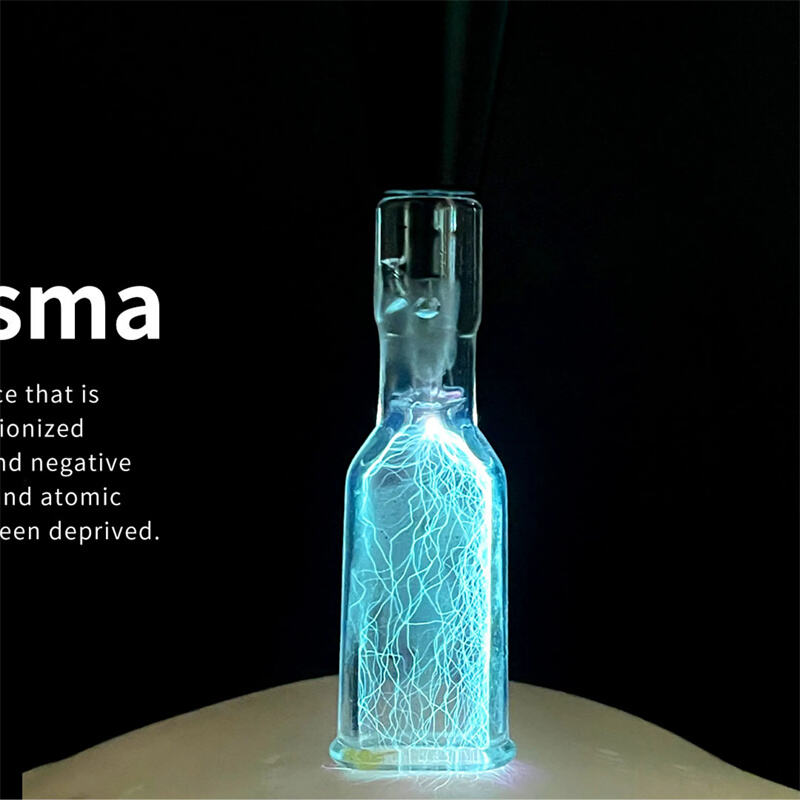
On the other hand, Non-Thermal Atmospheric Plasma (NTAP) otherwise known as Cold Plasma is a physics-based technology. It generates an almost ionized gas with almost room temperature. This gas is a powerful mixture of reactive oxygen and nitrogen species (RONS), electrons, and photons. Direct reaction with cells and skin microbiota of these bioactive components on the skin leads to the regulated oxidative stress response and specific regeneration and sterilization biochemical-signaling pathways.
First of all, the physical movement and the advantages of the skin. These different principles are transformed into different primary actions and benefits.
LED Light Therapy (Red and Near-Infrared) is an excelling one in:
Increasing Cellular Renovation: The activation of ATP production increases fibroblast action which prefers the production of collagen and elastin which contributes to skin tightness and reduction of fine lines.
Modulating Inflammation: It helps in the cooling of inflammatory responses and it is appropriate in the post-surgical recovery and in other diseases like rosacea.
Microcirculation: It can augment blood circulation and this aids in the oxygenation of tissues and supplying nutrients to the skin that leaves the complexion healthier.
The Cold Plasma Technology is efficient in:
Surface Rejuvenation and Refinement of Texture: The controlled contact can cause epidermal renewal and tightening of the skin to produce the smooth surface of the skin.
Antimicrobial and Sebum Control: The RONS has excellent antimicrobial action that is surface-compatible. This enables it to become a good adjunctive technology to the control of acnes prone skin in the sense that it targets the C. acnes bacteria and helps in controlling the sebum.
Supporting Wound Healing: Wound healing enhances cell migration and cells proliferation and disinfection of the wound site and hence lead to clean and effective healing of small skin imperfections.
Clinical Application and Treatment experience.
There is a difference in the experience of the in-clinic of each modality. A typical LED Light Therapy session involves a patient lying and resting in front of a combination of lights (about 10-20 minutes). It does not hurt or irritate anyone, it does not cause pain and one does not need to take a time off and is commonly known as, painless and warm treatment.
Cold Plasma is usually applied using a hand piece which is slightly moved over the skin surface. A slight tingling feeling or the presence of an inconspicuous metallic odor (as though ozone) are anticipated during the usage of patients. Similar to LED, it does not require any anesthesia and does not impose any social downtime, which results in the fact that patients can begin to spend their everyday immediately after it.
The Right Technology to Your Practice.
The choice between the technologies does not presuppose the excellence of one of them compared to the other, but the particularity of the technologies to the services an establishment renders and clients.
Choose LED Light Therapy when you are willing to be anti-aging, maintaining general skin condition, and receiving spa treatments. It is also an amazing starting treatment to combat collagen and it would work on almost any kind of skin and is better when used together with other treatments.
Cold Plasma may be offered to you in case you are willing to address specific concerns, like acne, oily skin, and surface texture optimization, or you are keen to add a new high-end technology with outstanding antimicrobial properties to the list. It is a more contemporary and technological way of entrance into the aesthetics.
The more liberal clinics are finding the advantage of offering them together as complementary approaches. To illustrate a case in point, Cold Plasma can be used in the preparation and purification of acnes prone skin, and then LED to reduce the rest of the redness and inflammatory process to come up with a complete treatment process.
Recommendations: Dietary Supplementation Routes to Skin Health.
The Cold Plasma and LED Light Therapy are the non-invasive scientific methods of skin rejuvenation. LED is the time-tested standard of deep-tissue regeneration and repair, but Cold Plasma is an amateur, multi-mechanism of action, which is effective in the aspects of surface concerns and microbial control in particular. The understanding of their unique advantages will allow the representatives of the skincare industry to make efficient decisions to supplement the list of services they offer and provide their clients with particular and valuable results.