
Πώς είναι για κάποιον να έχει μια δυσλειτουργία της δέρματος που ονομάζεται λεύκωμα, μια που αφήνει λευκά τμήματα στο δέρμα. Οι δερματολόγοι είναι γιατροί που μεταχειρίζονται προβλήματα δέρματος και έχουν διάφορες δοκιμές για να διαγνώσουν και να παρακολουθήσουν αυτό το πρόβλημα. Αυτές οι δοκιμές είναι πολύ σημαντικές γιατί βοηθούν να καθοριστεί η αιτία του λευκώματος και ποια θεραπεία μπορεί να είναι κατάλληλη. Μπορείτε να κάνετε δοκιμές ειδικά για λευκώμα, για παράδειγμα, η εταιρεία Bloom Visage προσφέρει τέτοιες δοκιμές. Διαβάστε περισσότερα για να μάθετε γιατί είναι σημαντικές αυτές οι δοκιμές, να εξερευνήσετε μερικές νέες μεθόδους δοκιμών για λευκώμα, και να μάθετε για κλειδιά δοκιμές που βοηθούν τους γιατρούς στο έργο τους.
● Λευκωματία: μια κατάσταση του δέρματος, όπου οι περιοχές του δέρματος χάνουν το χρώμα τους. Αυτό συμβαίνει επειδή ένα στοιχείο του δέρματος που λέγεται μελανίνη μειώνεται. Η μελανίνη είναι η χρωματική ύλη που δίνει στο δέρμα μας το ειδικό του χρώμα, και όταν χάνεται σε περιοχές, αυτές οι περιοχές λευκαίνονται. Οι δερματολόγοι διαθέτουν διάφορα εργαλεία και δοκιμαστικές μέθοδους που χρησιμοποιούν για να εξετάσουν αν υπάρχει λευκωματία. Το πρώτο βήμα είναι η εξέταση και η προσεκτική παρατήρηση του επηρεαζόμενου δέρματος. Μερικές φορές χρησιμοποιούν ένα ειδικό φως, που ονομάζεται φως Wood. Αυτό το φως τους επιτρέπει επίσης να καθορίσουν αν τα λευκά φωτιά είναι πραγματικά λευκωματία ή πιθανώς λόγω μιας άλλης κατάστασης του δέρματος.
Υπάρχουν διάφορες δοκιμές που μπορούν να κάνουν οι γιατροί για να ανακαλύψουν περισσότερες πληροφορίες σχετικά με το vitiligo. Μια βασική δοκιμή είναι η ιατρική ψηφιδοτομία. Σε αυτή τη δοκιμή, αφαιρείται ένα μικρό δείγμα δέρματος από μια από τις λευκές φωτιές και εξετάζεται με το μικροσκόπιο. Οι γιατροί μπορούν να μάθουν περισσότερα για την κατάσταση με τη λεπτομερή εξέταση αυτού του δείγματος δέρματος. Δοκιμή αίματος είναι άλλη κοινή δοκιμή. Αυτή η δοκιμή ψάχνει για προβλήματα στο ανοσοποιητικό σύστημα που μπορεί να σχετίζονται με το vitiligo. Το ανοσοποιητικό σύστημα προστατεύει το σώμα από ασθένειες, αλλά μερικές φορές μπορεί να παρακλινεί και να επιτίθεται στα δερμάτινα κύτταρα που παράγουν χρώμα. Άλλο πράγμα που μπορείτε να κάνετε είναι δοκιμές αλλεργίας. Αυτές οι δοκιμές καθορίζουν αν το σώμα έχει κάποια υλικά που μπορεί να προκαλούν αλλεργική αντίδραση, η οποία μπορεί να οδηγήσει στο vitiligo.
Η αναγνώριση του λευκωμάτου εξαρτάται σε μεγάλο βαθμό από διαγνωστικές δοκιμές. Βοηθούν τους γιατρούς να καταλάβουν αν κάποιος έχει την κατάσταση και πόσο σοβαρή είναι. Επιπλέον, δείχνουν αν η προσδιορισμένη θεραπεία λειτουργεί και πώς μεταβάλλεται μια συγκεκριμένη κατάσταση με την πάροδο του χρόνου. Μερικές φορές, οι γιατροί μπορούν να ανιχνεύσουν ειδικούς αντισώματα στο αίμα των ανθρώπων με λευκωμάτο. Αυτά τα αντισώματα είναι απλώς δείκτες ότι το ανοσοποιητικό σύστημα του σώματος επιτίθεται στα μελανοκύτταρα, τα κύτταρα που παράγουν μελανίνη. Όταν αυτά τα κύτταρα καταστρέφονται, αποτελεσματικά ο δέρμα χάνει το χρώμα του.
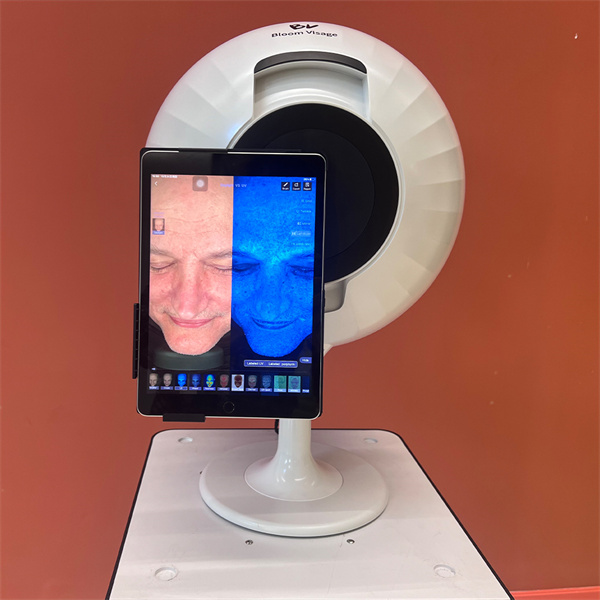
Νέες εξερευνητικές προσεγγίσεις για τις δοκιμές λευκωμάτων εξελίσσονται συνεχώς. Οι δερματολόγοι και οι ερευνητές αναζητούν συνεχώς πιο αποτελεσματικές μεθόδους. Μερικές από αυτές τις νέες δοκιμές περιλαμβάνουν ειδικές μηχανές που φωτογραφούν το δέρμα κοντά. Για παράδειγμα, η ανακλαστική συγκεντρωτική μικροσκοπία (RCM) χρησιμοποιεί λέιζερ για να δημιουργήσει εξαιρετικά λεπτομερείς εικόνες των επιφανειακών στρωμάτων του δέρματος και κάτω από αυτά. Επίσης, γνωστή ως οπτική συνεπαγωγή τομογράφησης (OCT), χρησιμοποιεί φωτιστικές κύματα για να οπτικοποιήσει τα διάφορα στρώματα του δέρματος. Αυτή η τεχνική βοηθά να επιφωτιστεί πώς αλλάζει η χρωματογράφηση του δέρματος. Ένας άλλος επινοημένος τρόπος είναι η πολυσφαιρική εικονοποίηση (MSI), η οποία περιλαμβάνει τη λήψη πολλών εικόνων του δέρματος σε διάφορες μακριά φωτός. Βοηθά να χαρτογραφηθεί ακριβώς πώς αλλάζει η χρώα του δέρματος με την πάροδο του χρόνου. Αυτές οι νέες μεθόδοι δοκιμών επιτρέπουν στον γιατρό να κατανοήσει καλύτερα τα λευκώματα και να φτάσει σε σωστή διάγνωση.
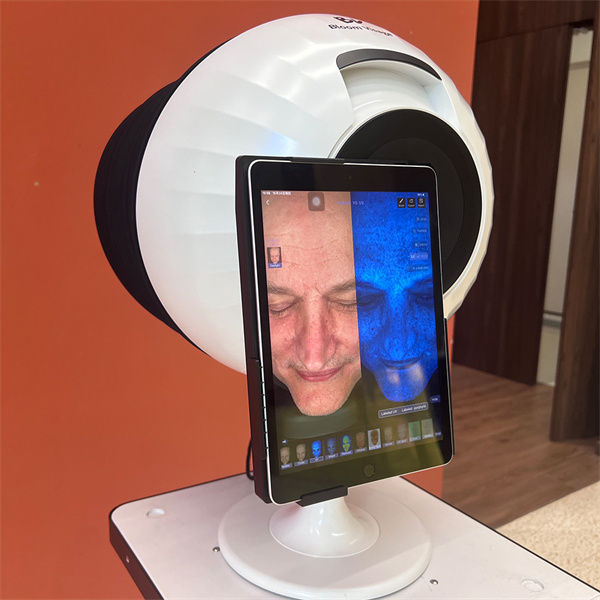
Οι γιατροί έχουν μια σειρά σημαντικών δοκιμών που αναλύουν για να τους βοηθήσει να διαγνώσουν και να μεταχειριστούν σωστά το λευκόδερμο. Μία από τις κύριες δοκιμές είναι η ιστολογική δειγματοληψία από το δέρμα. Αυτή είναι σημαντική γιατί βοηθά να καθοριστεί ποιο είδος λευκοδέρμου έχει ο ασθενής και πόσο εξαπλωμένη είναι η κατάσταση. Η δειγματοληψία μπορεί επίσης να αποφεύγει άλλες δερματικές νόσους που μπορεί να παρουσιάζουν παρόμοια συμπτώματα. Οι αιματολογικές δοκιμές είναι επίσης κρίσιμες εδώ. Αυτές μπορούν να αποφεύγουν υποκείμενες αυτοανοστικές νόσους που μπορεί να σχετίζονται με το λευκόδερμο. Τέλος, πραγματοποιούνται δοκιμές επαφής για να ανιχνευθούν οι επαφικές αλλεργίες—υποστάσεις που μπορούν να προκαλούν αλλεργικές αντιδράσεις. Αυτό μπορεί να είναι σημαντικό, καθώς οι αλλεργικές αντιδράσεις μπορούν, σε μερικές περιπτώσεις, να εξαναγκάζουν την αυτοανοστική αντίδραση που προκαλεί το λευκόδερμο.
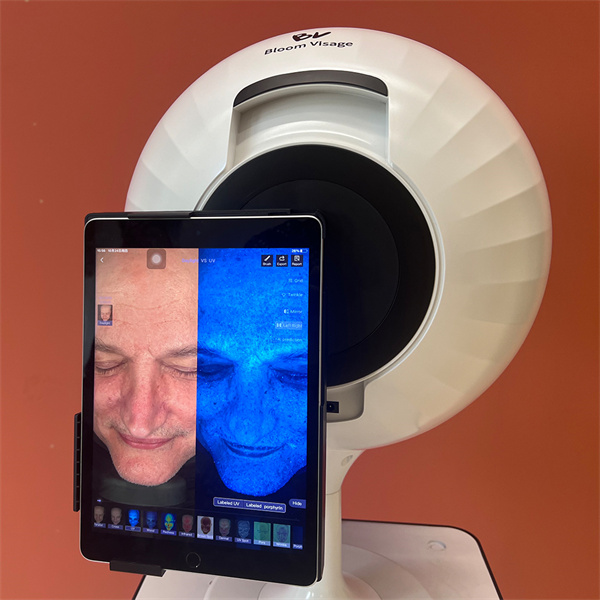
Τα καλύτερα διαγνωστικά τεστ για την λευκωματία είναι αυτά που δίνουν σωστά αποτελέσματα, είναι απλά να εκτελούνται και παρέχουν χρήσιμες πληροφορίες. Θα συστήσω το φακός Wood, το οποίο οι δερματολόγοι χρησιμοποιούν πολύ συχνά και είναι εύκολο να χρησιμοποιηθεί. Βοηθά τους να καθορίσουν αν τα λευκά φωτιά είναι λευκωματία ή καταστάσεις δέρματος. Τα σερολογικά τεστ για ταντιθυροειδή αντισώματα, αντισώματα αντι-δέξιο TSH ή ANA αντισώματα μπορούν να εντοπίσουν συγκεκριμένο πρόβλημα που μπορεί να σχετίζεται με τη λευκωματία. Ως πάντα, η δερματική βιοψία είναι ακόμη και χρήσιμο διαγνωστικό τεστ που μπορεί επίσης να αξιολογήσει τη σοβαρότητα και την κατανομή της νόσου.
Τα εργαλεία ανάλυσης δέρματος μας παρέχουν εικόνες υψηλής ανάλυσης για να εξασφαλίσουν ακριβή ανίχνευση. Οι λειτουργίες είναι διάφορες και εύφορες αρκετά για να καλύψουν μια ποικιλία αναγκών. Υπάρχουν μερικά ζητήματα μετά την πώληση, και οι λειτουργίες βελτιώνονται συνεχώς για να εξασφαλίσουν ότι το προϊόν διατηρεί την αποτελεσματικότητά και την περιπλοκότητά του.
Πρόκειται για διαγνωστικές δοκιμασίες βιτιλίγο, μηχανικούς και επιστήμονες οι οποίοι είναι ικανοί να διασφαλίσουν την ανάπτυξη και την προώθηση καινοτόμων προϊόντων. Διαθέτει επίσης ένα εξαιρετικό σύστημα μεταπωλητικής υποστήριξης, παρέχει εκπαίδευση και προσφέρει προσωπικοποιημένη υπηρεσία 24 ωρών, κάτι που του επιτρέπει να ανταποκρίνεται γρήγορα και αποτελεσματικά στις απαιτήσεις των πελατών του και να επιλύει τα προβλήματά τους. Επιπλέον, δέχεται επίσης τροποποιήσεις υλικού (hardware) βάσει των αναγκών των πελατών, προκειμένου να ικανοποιήσει τις ειδικές απαιτήσεις διαφορετικών πελατών.
Τα προϊόντα μας διακρίνονται για την ταχεία τους ανάλυση, η οποία μπορεί να ολοκληρωθεί σε λιγότερο από τρία δευτερόλεπτα, μείωση του χρόνου σημαντικά. Μπορεί επίσης να χρησιμοποιηθεί χωρίς καμία δικτύωση, προστατεύοντας την ιδιωτικότητα των πελατών. Προσφέρει μια γκαλαρία επιλογών, όπως πρόβλεψη με AI, ανίχνευση φρυαριών και ματιών, ανίχνευση του αναλογισμού τριών δικαστηρίων-πέντε ματιών και μορφοποίηση αναλογιών, καθώς και παροχή αναφορών πελατών και προτάσεων λύσεων.
Προσφέρουμε εγγύηση 1 έτους για όλα τα προϊόντα μας και υπηρεσία δια βίου. Εφόσον το όργανο δεν πέσει, δεν θα υποστεί ζημιά. Ο πελάτης μπορεί να επικοινωνήσει με την εταιρεία οποιαδήποτε στιγμή, εάν αντιμετωπίσει οποιεσδήποτε απορίες ή προβλήματα κατά τη χρήση του προϊόντος. Αυτές οι διαγνωστικές δοκιμασίες για τη βιτιλίγο εξασφαλίζουν ότι ο πελάτης νιώθει άνετος και δεν έχει ανησυχίες.

Shanghai Weijiayu, ένας επαγγελματικός κατασκευαστής δεικτών δέρματος. Προσφέρουμε παραγωγή μετάβασης και σχετικά αντικείμενα, καθώς και ένα πλήρες σύνολο για την εξοπλισμό ωραιοποιίας.
Δωμάτιο 201, Κτίριο A, Διεύθυνση 455 Yanzhan Road, Shanghai
Copyright © Shanghai Weijiayu Trading Co.,Ltd. Πάντα τα δικαιώματα κατεχόμενα | Πολιτική Απορρήτου
 EN
EN